News Archive – November 2025
Sunday, November 30, 2025


OPEC+ ministers agreed to maintain current production quotas for the first quarter of 2026, reducing near-term upside pressure on crude.
A cooling malfunction at a CyrusOne facility disrupted CME Group electronic platforms, suspending futures and options trading for several hours.

Multiple outlets reported intermediary-led discussions in Abu Dhabi exploring elements of a settlement framework for Ukraine, keeping energy and sanction scenarios in flux.
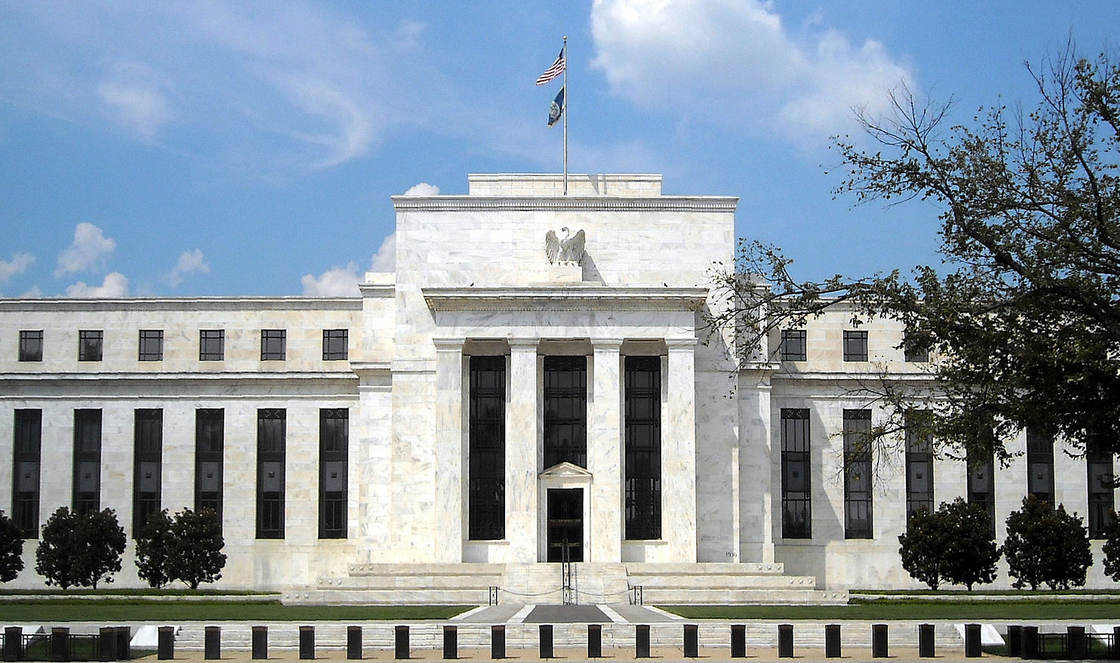

The US dollar slid as futures markets boosted the likelihood of a Federal Reserve rate reduction, supporting emerging-market currencies and risk-taking.


European equities finished November with gains as investors priced a greater chance of US policy easing and improved global risk appetite.
Analysts reiterated scenarios where 2026 could see a structural oil surplus, pressuring long-term price expectations despite short-term diplomatic noise.
Saturday, November 29, 2025
Multiple sources reported OPEC+ ministers expected to maintain current production settings, reducing short-term upside pressure on crude prices.

Futures traders raised the probability of a December Fed rate cut after a run of softer data and dovish Fed commentary, lifting risk assets.
After a cooling failure at a CyrusOne data centre disrupted CME trading, regulators and participants examined contingency plans and systemic risk exposure.

The US dollar weakened amid rising market odds of Fed easing, supporting emerging-market currencies and reducing hedging costs for international investors.

Crude markets swung as reports of exploratory diplomacy over Ukraine competed with OPEC+ supply discussions, keeping prices headline-sensitive.
Media outlets reiterated that intermediary-led discussions took place in Abu Dhabi to explore a framework for de-escalation in Ukraine, keeping sanction and energy scenarios in flux.
Friday, November 28, 2025
Trading across multiple futures and options markets was suspended after a cooling failure at a CyrusOne data centre that supports CME's infrastructure.
Crude prices eased when reports described protracted Russia Ukraine diplomacy and OPEC+ supply considerations, prompting traders to trim risk premia.
The Kremlin indicated it will review US peace proposals next week, a step that markets treated as lowering, but not eliminating, geopolitical risk.

European equities ended November higher as investors priced an increased chance of US rate easing, supporting risk appetite and portfolio inflows.
The US dollar weakened as futures traders sharply raised odds of a Fed rate cut, pressuring the currency and lifting EM FX performance.
Media outlets reiterated reports that confidential discussions took place in Abu Dhabi exploring elements of a Ukraine settlement, keeping energy markets jittery.
Thursday, November 27, 2025
Stocks and risk assets climbed as traders increased the probability of a Federal Reserve rate cut in the near term, lifting market sentiment.
Sources said OPEC+ was expected to maintain current output policy for Q1 2026, easing near-term upside pressure on oil benchmarks.

Media outlets reported confidential discussions in Abu Dhabi involving US intermediaries and Russian representatives exploring elements of a Ukraine settlement framework.
A cooling malfunction at a CyrusOne data centre forced CME to halt major futures and options trading, disrupting global price discovery and hedging.

Russian President Putin said there was no finalised peace draft but that Moscow remained open to discussions, tempering hopes of an imminent settlement.

Gulf markets gained as regional flows and Fed-cut expectations supported risk appetite, despite mixed signals from oil markets.
Wednesday, November 26, 2025
Initial unemployment claims for the reference week ending Nov 22 dropped to multi-month lows, complicating markets' expectations for near-term Fed easing.
Multiple sources indicated OPEC+ members were likely to maintain current production levels rather than approve another increase, easing some near-term crude upside.
Crude recovered from recent lows amid mixed inventory signals and short covering, but analysts warned a structural 2026 surplus could cap rallies.
Media reported discreet meetings in Abu Dhabi involving US intermediaries and Russian representatives exploring a framework for de-escalation, affecting energy and sanction risk pricing.
Media reports heightened bets that a political candidate may replace the Fed chair, stirring debate about future policy direction and investor positioning.

Analysts highlighted a reduced European gas risk premium as traders assume supplies will be available, lowering near-term price stress.
Tuesday, November 25, 2025
Crude prices fell as analysts warned of a 2026 oil surplus while diplomatic moves over Ukraine introduced mixed demand signals.
Sources indicated OPEC+ is inclined to keep current production levels rather than add barrels, trimming recent risk premia in crude.
U.S. stock indexes closed higher on Nov. 25 as investors ramped up bets that the Federal Reserve will ease policy soon, lifting risk assets.
The Fed, FDIC and OCC finalised a rule changing specific regulatory capital standards, easing incentives that discouraged banks from holding Treasuries.
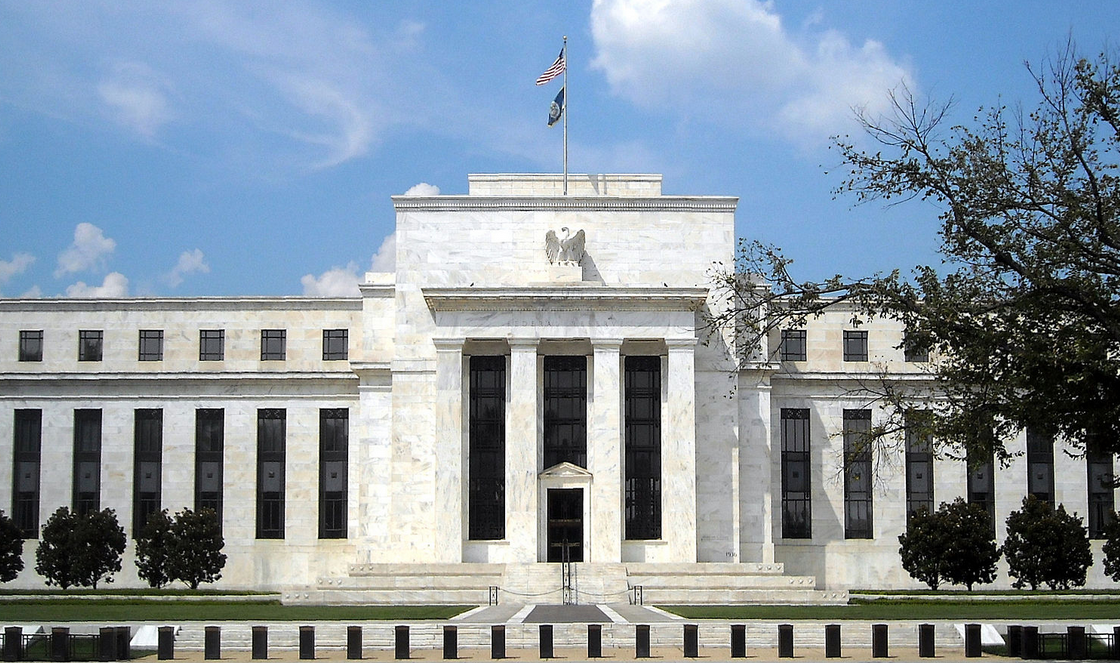
The Federal Reserve authorised the formation of Steel Newco to merge Synovus and Pinnacle, completing a major regional bank consolidation step.
Media reported confidential talks in Abu Dhabi involving US intermediaries and Russian representatives about a potential Ukraine settlement, altering geopolitical risk pricing.
Monday, November 24, 2025
Comments from senior Fed officials on Nov 24 increased market odds of a December rate cut, triggering rallies in equities, lower U.S. yields and higher risk appetite globally.

Reports said U.S. policymakers are considering approving advanced Nvidia AI chip exports to China, a development that would reopen a large addressable market and rerate semiconductor equities.

Announcements and market commentary tying Broadcom to a large AI infrastructure deployment with a major cloud/AI provider triggered an outsized single-day share gain and sector-wide uplift.
Reports that Ukraine and U.S. mediators were revising a peace plan and advancing talks reduced geopolitical premium in oil and defense, prompting commodity and regional equity moves.

On Nov 24 UN and regional outlets reported renewed violations and fatalities in Gaza, increasing near-term geopolitical uncertainty and weighing on risk assets and energy sectors.
The rollout and market reception of a major new AI model from a leading cloud provider on Nov 24 catalysed buying across Big Tech and semiconductor names tied to AI infrastructure.
Sunday, November 23, 2025
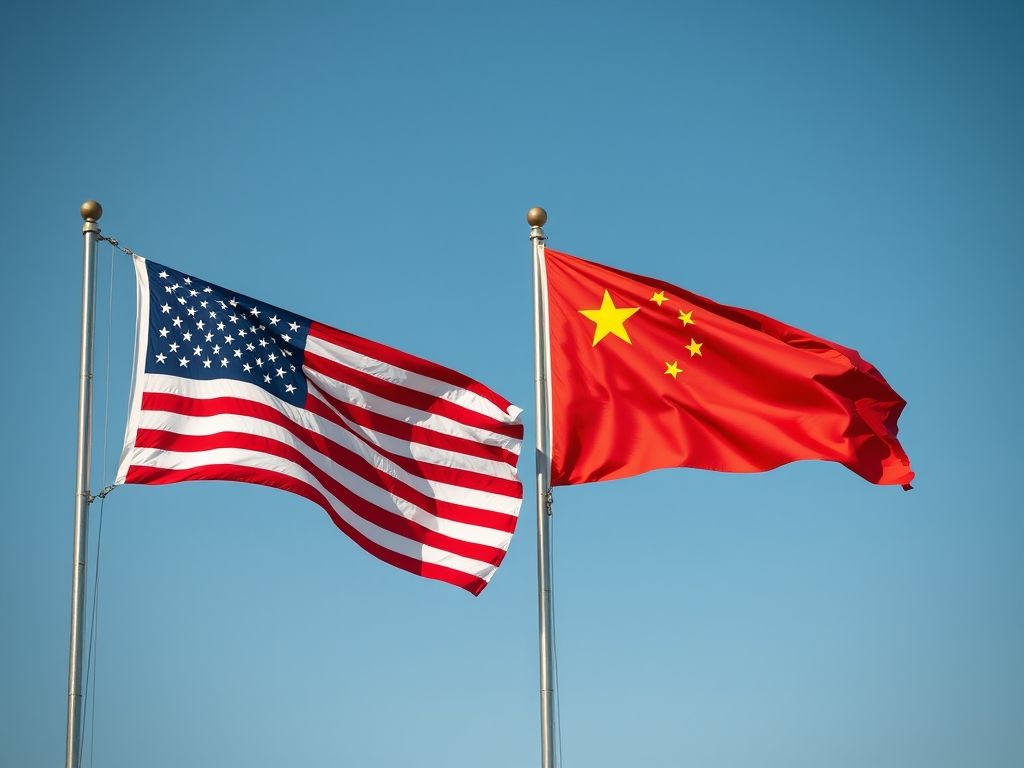
Working-level U.S.–China maritime discussions in Hawaii restored military lines of communication, lowering the near-term risk premium across Asia-Pacific markets.
Britain, France and Germany circulated a European counter-proposal to the U.S. peace draft on Ukraine, reshaping diplomatic contours and commodity risk pricing.
In an NBC interview Treasury Secretary Scott Bessent said the U.S. economy was not at risk of a broad recession despite shutdown losses, supporting risk assets.
Market commentary warned of thinner liquidity and higher volatility ahead of the U.S. Thanksgiving week as rate-cut odds and AI valuation doubts persisted.
Most Gulf bourses rose on Nov. 23, supported by stronger odds of a Fed policy loosening that benefits dollar-pegged economies, despite oil pressure.
The unemployment-claims reference week that ended Nov. 22 showed claims near multi-month lows, complicating the easing narrative for monetary policy.
Traders reacted to simultaneous developments on Russia-Ukraine diplomacy and OPEC+ supply commentary, producing headline-driven swings in crude prices.
Saturday, November 22, 2025
Working-level U.S.–China maritime security talks took place in Hawaii, restoring military-to-military lines of communication and lowering near-term regional risk premia.
China escalated a diplomatic row with Japan by raising the dispute at the United Nations, increasing political tensions and short-term regional risk.
The reference week for U.S. initial jobless claims ended Nov. 22; aggregated data signalled continued resilience in layoffs, complicating near-term Fed easing bets.

Private PMI releases showed the euro-area economy maintaining steady activity in November, supporting growth expectations and risk appetite in European assets.
Headlines about OPEC+ members' possible production adjustments continued to drive headline volatility in crude prices around Nov. 22, keeping energy markets reactive.
Friday, November 21, 2025
NY Fed President John Williams said the Fed can still cut rates 'in the near term', shifting market odds for December easing.

Final November reading from the University of Michigan showed the consumer sentiment index near multi-year lows, signalling weaker spending backdrop.
S&P Global's flash US manufacturing PMI eased to 51.9 in November, signalling slower factory momentum and rising inventories.
Reports that Washington is pushing a Russia-Ukraine peace framework reduced near-term geopolitical risk, pressuring crude prices and energy risk premia.

S&P Global’s flash Japan manufacturing PMI stayed below 50 for the fifth month, pointing to ongoing factory-sector weakness and softer export demand.

Markets rallied into the close as Williams’s comments and mixed macro prints increased odds of policy easing, trimming weekly equity losses.
Thursday, November 20, 2025

NVIDIA reported a blowout quarter driven by datacenter GPU demand, issued an above-consensus revenue guide and reinforced brisk AI capex expectations.

Walmart announced it will move its primary listing to Nasdaq in December, a high-profile exchange transfer that shifts index and order-flow dynamics.
The PBoC held one- and five-year Loan Prime Rates steady, signalling a pause in broad easing while using targeted liquidity tools for support.
Weekly jobless claims fell while a delayed monthly payrolls report showed September gains; data leaves Fed timing for cuts ambiguous.
Brussels proposed a package simplifying AI, data and cookie rules—the 'Digital Omnibus'—delaying parts of the AI Act and easing some privacy constraints.
U.S. equity indexes fell after an intra-day reversal: tech gains faded and macro data increased uncertainty, pushing the VIX higher.
Wednesday, November 19, 2025
FOMC minutes show a divided committee on further rate cuts and broad support to stop quantitative tightening on Dec 1, shifting liquidity and rate expectations.

NVIDIA reported record revenue and data-center sales, beating estimates and guiding higher, prompting a broad rally in AI-related stocks and suppliers.

ONS data showed CPI fell to 3.6% in October from 3.8%, increasing market bets on an imminent Bank of England rate cut and pressuring sterling and gilt yields.

People's Bank of China kept Loan Prime Rates unchanged and executed short-term reverse repo injections, signalling a steady but less dovish stance while supporting liquidity.

The ECB approved next steps for Appia (tokenised wholesale ecosystem) and authorised publication of the Financial Stability Review materials, affecting payment system outlook and bank risk assessment.
Russian official Novak said Russia expects to reach its OPEC+ production quota by end-2025/early-2026, supporting supply expectations and weighing on oil prices.
Tuesday, November 18, 2025
Major U.S. indices fell for a fourth straight session amid valuation worries in tech and pre-earnings caution, tightening market liquidity.
Following equity weakness, U.S. corporate credit spreads widened as investors demanded higher compensation for credit risk.
Market attention focused on Amazon’s ~$15bn bond deal and the broader wave of large tech debt issuance financing AI capex.
Reports flagged a wave of large tech debt deals, prompting questions about debt market capacity and sector leverage.
Market pricing trimmed chances of a December Fed rate cut, prompting traders to buy hedges and adjust duration exposure.

BOJ Governor held his first bilateral meeting with Prime Minister Takaichi, emphasising policy coordination for a smooth approach to price goals.
Analysts warned of concentrated AI valuations and potential rotation out of megacaps, informing portfolio adjustments and flows.
European credit desks flagged the spillover of U.S. tech debt supply to European primary and secondary markets, monitoring spread moves.
Monday, November 17, 2025
Amazon filed to raise roughly $15bn in U.S. corporate bonds across multiple maturities to fund AI infrastructure and corporate purposes.

TotalEnergies agreed to acquire 50% of EPH's flexible power platform for €5.1bn in shares, making EPH a ~4.1% Total shareholder.
Berkshire Hathaway’s recent 13F revealed a new multibillion-dollar stake in Alphabet, prompting renewed investor interest in the stock.
Major U.S. indices ended the session down as traders reduced exposure ahead of a busy week of earnings and macro data.
Japan reported a contraction in Q3 GDP, driven by weaker exports, marking a pause in its growth momentum.

Switzerland’s early Q3 GDP estimate indicated a modest contraction, reflecting weakness in industry and pharmaceuticals.
Market coverage flagged a wave of large tech bond deals (including Amazon), prompting discussion on credit supply and sector leverage.
Analysts and market pieces warned investors about concentrated AI valuations and potential near-term sector rotation.
Sunday, November 16, 2025
A formation of China Coast Guard vessels transited waters around the Japan-administered Senkaku Islands, escalating bilateral tensions and raising regional risk premia.
Treasury Secretary Scott Bessent expressed optimism a U.S.-China deal on rare-earths trade and licensing would be finalised by Thanksgiving, easing supply-chain uncertainty.

Bitcoin fell about 1.6% to roughly $93,684 as investors reduced exposure to risk assets amid macro and liquidity concerns.
Oil prices slipped after industry reports and market analysis signalled potential oversupply in 2026, prompting traders to trim risk premiums built into crude.

A Kyodo News poll published Nov 16 found Japanese opinion divided on whether to exercise collective self-defence if China attacked Taiwan, raising policy uncertainty.