Headlines
Tuesday, December 16, 2025


After a long government shutdown delayed economic releases, November nonfarm payrolls rose by 64,000, surprising markets and reshaping rate-cut expectations.


Stocks across global markets fell as investors weighed mixed jobs data, weaker oil prices and growing caution ahead of major central bank decisions.


Asian stock markets dropped as tech shares underperformed and investors reduced risk ahead of U.S. data and central bank policy decisions.
Oil benchmarks continued downward pressure, extending losses to multi-year lows amid oversupply concerns and subdued demand expectations.
The Cboe Volatility Index remained elevated as macro uncertainty and choppy market behavior prompted demand for downside hedges.
The U.S. dollar index softened amid stronger-than-expected jobs results and shifting rate-cut expectations, lifting major peers.
Monday, December 15, 2025

Equities across Asia and the U.S. opened lower as traders reduced risk ahead of a packed session of central bank decisions and delayed U.S. economic data.


European equities showed resilience with banks and energy names leading gains, rebounding after morning weakness as markets steadied.
Markets widely anticipated a quarter-point rate cut from the Bank of England to 3.75%, reflecting cooling inflation and weak growth signals.
Gold prices extended gains on softer yields and weaker dollar ahead of key U.S. non-farm payroll and inflation readings scheduled for later in the week.
Major Asian benchmarks fell sharply as investors reduced risk exposure ahead of central bank decisions and U.S. economic data later this week.
Sunday, December 14, 2025

China’s authorities called for stronger coordination between business and financial systems to boost consumption and sustain growth.
A powerful winter storm brought heavy snow and extreme cold across the U.S. Northeast, causing travel chaos and energy demand spikes.
Major Gulf bourses declined amid weaker oil prices and profit-taking, with sentiment dampened around supply expectations.
Market commentary noted traders were holding positions ahead of key economic data releases that were expected later in the week.
China’s leaders emphasized boosting consumption and economic activity to sustain growth as the year wound down.
Friday, December 12, 2025

The Bank of England lowered its policy rate by 25 basis points, citing weakening growth and easing inflation pressures.
Chinese authorities outlined a new fiscal support package targeting infrastructure, local governments, and consumer demand.

European Union leaders agreed on revised fiscal governance rules, offering more flexibility on deficits tied to investment spending.
Thursday, December 11, 2025
Prime Minister Rosen Zhelyazkov’s government stepped down after weeks of nationwide anti-corruption protests, just weeks before Bulgaria’s planned eurozone accession.
Portugal’s largest unions organized a general strike halting transport, flights, and schools in protest against proposed labour code reforms.
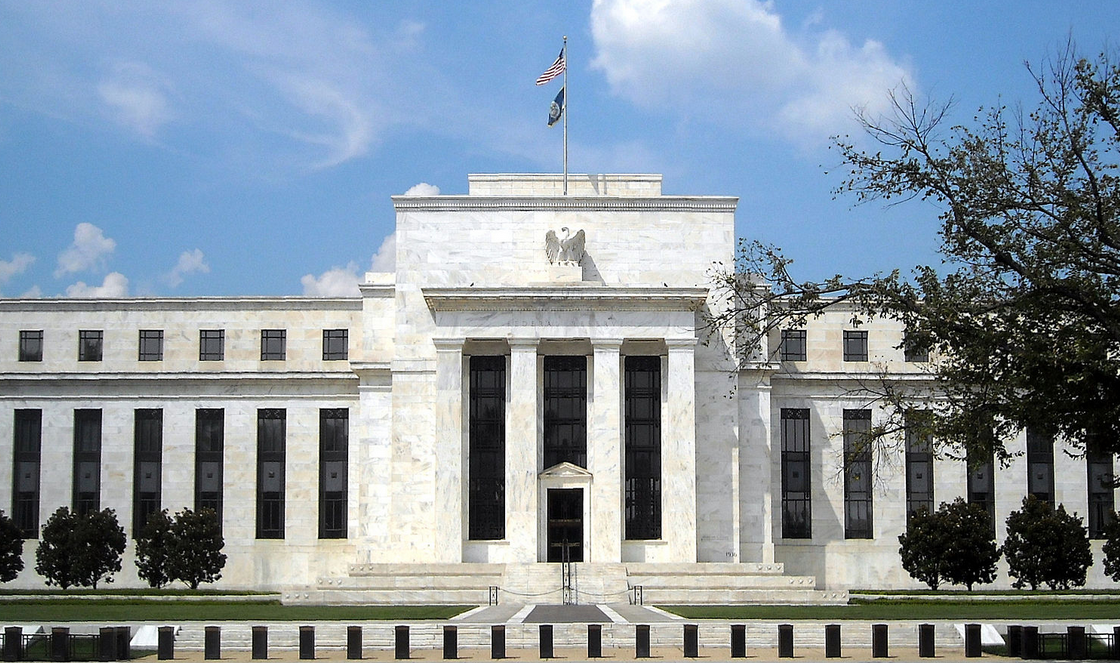

Following its December rate cut, the Fed commenced a monthly US$40bn Treasury bill purchase program aimed at easing money markets and rebuilding reserve levels.
Wednesday, December 10, 2025
The Federal Reserve reduced its benchmark rate by 25 bps and signaled a cautious continuation of policy easing amid slowing growth and easing inflation.
U.S. CPI data showed inflation easing more than expected, reinforcing expectations for continued monetary policy easing.
The ECB left interest rates unchanged and emphasized a data-driven approach amid weak growth and easing inflation pressures.
Tuesday, December 09, 2025

Following a 7.5-magnitude offshore earthquake late Dec 8, Japan’s authorities issued an elevated earthquake advisory into Dec 9, prompting evacuations and transport disruptions.
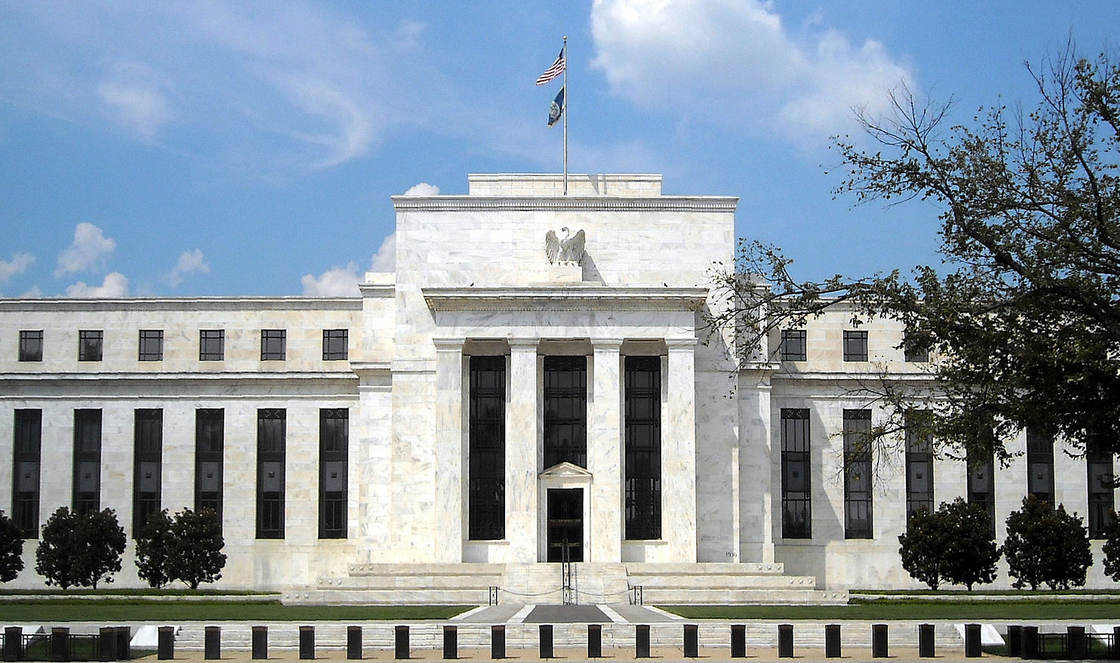
The Federal Reserve’s final 2025 policy meeting began on Dec 9, with markets focused on expected 25bp rate cut and updated projections affecting global financial positioning.
Monday, December 08, 2025
China’s trade surplus exceeded US$1 trillion for the first time, driven by export rebound and slower import growth, reshaping global trade flows and impacting macro expectations.
The US dollar strengthened against major currencies on expectations of limited easing by the Fed, with markets also reacting to a major Japan earthquake.
Sunday, December 07, 2025
Chinese authorities unveiled new nationwide measures to stabilize the property sector, including credit guarantees and relaxed developer financing rules.

OPEC+ ministers indicated willingness to extend voluntary oil supply cuts into 2026 if demand conditions remain fragile.
The U.S. Treasury detailed plans for higher long-term bond issuance to finance deficits, impacting global rate expectations.
ECB policymakers reiterated data-dependence and caution ahead of upcoming rate decisions, tempering expectations of rapid easing.
Saturday, December 06, 2025
Greek parliament approved acquisition of 36 PULS rocket artillery systems from Israel (≈€650M), boosting defense sector capital expenditures and regional geopolitical risk pricing.
Friday, December 05, 2025

The RBI cut its policy repo rate by 25 bps and boosted banking liquidity, supporting growth and aiding Indian stocks and bonds.
India’s benchmark indices climbed after the RBI rate cut, as markets reacted positively to cheaper borrowing and supportive liquidity.
Soft U.S. inflation and data on Dec 5 reinforced expectations of an upcoming Fed rate cut, lifting global stocks and safe-haven assets alike.
European stock indices ended the week slightly higher on Dec 5 as investors assessed global data and near-term Fed cut prospects, supporting equities.
U.S. stocks closed with slight gains on Dec 5 as markets digested mixed data, keeping expectations for policy shifts intact ahead of next week’s Fed meeting.

Bulgaria’s opposition filed a no-confidence motion on December 5, potentially destabilising governance and weighing on local market sentiment.
Thursday, December 04, 2025
Initial unemployment claims dropped sharply to a more-than-three-year low, tempering near-term Fed easing expectations and shifting rate risk.
ISM services PMI indicated expansion but slower new orders and muted employment, reinforcing an uneven growth picture and pressuring rate-sensitive assets.

A Reuters survey found OPEC output fell in November despite agreed increases, highlighting outages and keeping the market sensitive to supply shocks.
Following the CME outage tied to a data-center cooling failure, CyrusOne said it added backup cooling, spotlighting exchange infrastructure concentration risks.

Renewed coverage detailed intermediary-led meetings in Abu Dhabi involving Russian participants, sustaining uncertainty across energy and sanctions-exposed markets.
A Reuters poll showed most economists expect a December Fed rate cut even as public dissent among policymakers increases, creating policy risk and market debate.
Wednesday, December 03, 2025
ADP's November report showed a surprise decline of 32,000 private-sector jobs, signalling softer labor market momentum and raising Fed easing odds.
ISM's services PMI held near expansion but showed slower new orders and subdued employment, reinforcing an uneven macro picture for policymakers.
Risk assets gained worldwide after a string of softer US data and commentary pushed markets to increase the odds of a near-term Federal Reserve rate cut.
After a disruptive cooling failure that halted CME trading, CyrusOne announced backup cooling installations, spotlighting concentration risks in market infrastructure.
Media outlets reported exploratory meetings in Abu Dhabi involving intermediaries and Russian participants about Ukraine, keeping energy and sanctions scenarios uncertain.
Reports indicated OPEC+ agreed to pursue a capacity assessment mechanism to guide future quota baselines, shifting emphasis from immediate output increases.
Tuesday, December 02, 2025
ISM manufacturing PMI fell further in November, signalling continued factory sector weakness and complicating the near term Fed easing outlook.
Data centre operator CyrusOne added backup cooling at its Chicago-area facility after a failure disrupted CME Group trading, spotlighting infrastructure concentration risk.

Media reported intermediaries convened exploratory discussions in Abu Dhabi with Russian participants about Ukraine, producing headline driven volatility in energy and sanction exposed assets.
Reports indicated OPEC+ ministers agreed to examine capacity baselines and a new quota mechanism, shifting focus from immediate hikes to longer term allocation fairness.
Market commentary on Dec 2 highlighted ISM services preview and other incoming prints that pushed Treasury yields higher, cooling some Fed cut expectations.
Monday, December 01, 2025
OPEC+ ministers agreed to maintain current quotas for Q1 2026, reducing near-term upside pressure on crude and rebalancing market expectations.
CyrusOne said it installed extra backup cooling at its Chicago-area facility after a failure earlier disrupted CME Group trading, highlighting infrastructure concentration risks.
U.S. equities closed lower after a sharp move higher in Treasury yields, as markets priced in more persistent rate risk ahead of upcoming Fed decisions.
Commentary flagged an increasing incidence of Fed dissents, highlighting diverging views among policymakers and adding uncertainty around the timing of rate cuts.
After fresh U.S.-Ukraine discussions, European leaders publicly reaffirmed support for Ukraine and flagged that key issues remain unresolved, influencing geopolitical risk pricing.
The US dollar weakened as market-implied odds of an upcoming Fed rate cut rose, supporting many emerging-market currencies and loosening hedging costs.